
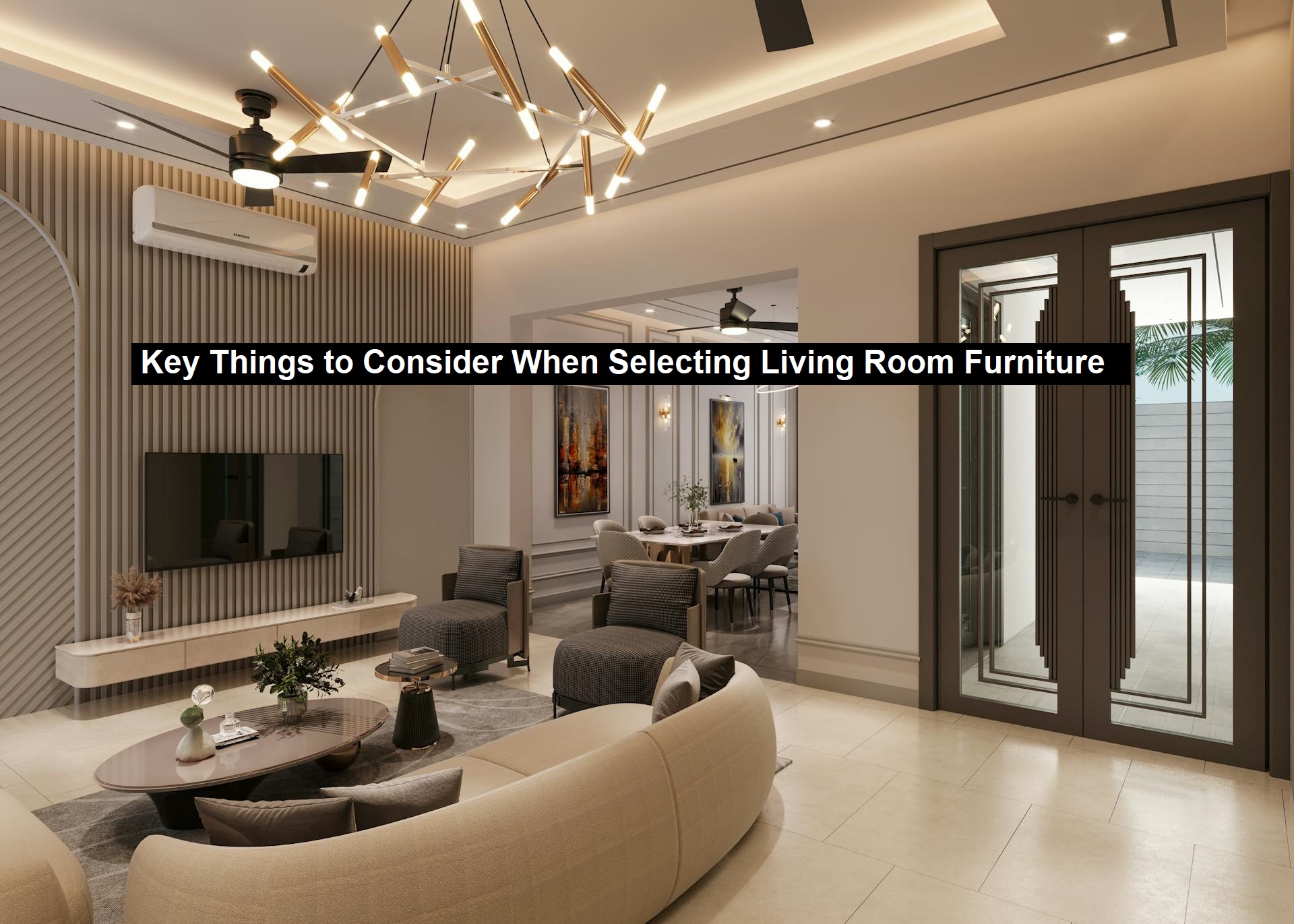
The living room plays a central role in any home, serving as a space where comfort meets connection. It’s where people unwind after a long day, entertain guests, and spend meaningful time together. Whether you’re choosing statement pieces like leather lounges or selecting complementary furniture, the focus should always be on achieving the right balance of comfort, functionality, and long-term value.
Thoughtful choices can transform a living room into a welcoming and practical space, while poor decisions can lead to discomfort and wasted investment. Understanding what truly matters when selecting living room furniture ensures that every piece contributes positively to both the overall look and usability of the space.
What to Consider When Choosing Living Room Furniture
Understanding Your Space and Layout
Before selecting any furniture, it is essential to fully understand the dimensions and layout of the living room. A well-planned space allows furniture to fit naturally without overcrowding or leaving awkward empty areas. Measuring the room carefully helps avoid the common mistake of purchasing pieces that are either too large or too small.
Equally important is considering how people move through space. Furniture should be arranged in a way that allows easy flow, ensuring that pathways remain clear and the room feels open rather than restricted. Creating functional zones within the living room can also enhance usability.
Prioritising Comfort Without Compromising Style
Comfort is one of the most important factors when choosing living room furniture. While visual appeal may attract attention initially, it is the comfort that determines how often it will be used and enjoyed. Seating should provide proper support, with the right balance between firmness and softness to suit everyday needs. Paying attention to seat depth, cushioning, and back support can make a significant difference in overall comfort while still maintaining an attractive appearance.
Choosing the Right Materials and Durability
The materials used in furniture play a major role in determining its durability and maintenance requirements. High-quality materials not only enhance the look of a piece but also ensure it lasts for years without losing its appeal. Whether you’re investing in a sofa or a king bed frame for Perth homes, choosing the right materials is essential for long-term comfort and performance. Investing in well-constructed pieces reduces the need for frequent replacements and offers better value over time.
Functionality and Multi-Purpose Furniture
Modern living often requires furniture to serve more than one purpose. Choosing pieces that offer flexibility can greatly enhance the practicality of a living room. Multi-purpose furniture, such as storage units or adaptable seating, helps maximise space while keeping the room organised.
Functionality should align with daily habits and needs. For instance, if the living room is frequently used for relaxation, entertainment, or work, furniture should support these activities without compromising comfort. Thoughtful choices ensure that the space remains efficient and easy to use.
Colour Selection and Visual Impact
Colour plays a powerful role in shaping the atmosphere of a living room. Neutral tones often create a calm and timeless base, allowing for flexibility in styling and decoration. On the other hand, bold colours can add personality and create a focal point within the room.
Choosing the right colour palette involves balancing visual impact with long-term appeal. Lighter shades can make a space feel more open, while deeper tones can add warmth and depth. Considering how colours interact with lighting and other elements in the room helps achieve a balanced and inviting look.
Read: 7 Signs It’s Time to Remodel Your Bathroom (Before It Costs You More)
Avoiding Common Furniture Buying Mistakes
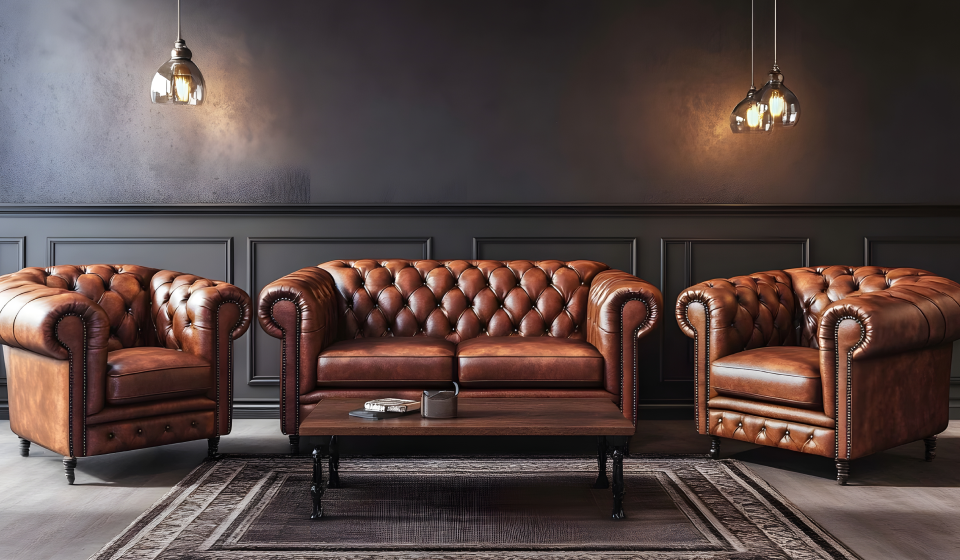
Many people make the mistake of focusing solely on appearance without considering practicality. Oversized furniture can overwhelm a room, while pieces that are too small may fail to provide adequate comfort or functionality. Paying attention to proportion and scale is essential for achieving a balanced layout.
Another common issue is choosing furniture based on trends rather than long-term needs. While trends can be appealing, they may quickly lose their charm. Selecting timeless designs ensures that the living room remains attractive and functional for years to come.
Conclusion
Selecting living room furniture requires careful thought and a clear understanding of both personal needs and space limitations. From comfort and durability to style and functionality, every aspect plays a role in creating a living room that is both inviting and practical. By making informed decisions and focusing on long-term value, it is possible to design a space that not only looks impressive but also enhances everyday living. Thoughtful furniture choices ultimately contribute to a home that feels comfortable, organised, and truly enjoyable.
Frequently Asked Questions
What is the most important factor when choosing living room furniture?
Comfort and functionality are the most important factors when selecting living room furniture. A balance between design and practicality ensures the space remains both attractive and usable.
How can the right furniture size be chosen for a living room?
Accurate measurements of the room are essential before purchasing any furniture. Proportion and scale should be considered to ensure that pieces fit well within the space without making it feel overcrowded or empty.
Which materials are best for durable living room furniture?
High-quality materials such as solid wood, durable fabrics, and well-treated leather are known for their longevity. The choice depends on lifestyle needs, maintenance preferences, and the level of usage.
Why is functionality important in living room furniture?
Functionality ensures that furniture meets everyday needs without creating inconvenience. Multi-purpose furniture can help maximise space, improve organisation, and adapt to different activities such as relaxation, entertainment, or work.
How does colour affect the living room environment?
Colour influences the overall mood and perception of space. Lighter shades can create a sense of openness and brightness, while darker tones add warmth and depth. A well-balanced colour palette enhances both comfort and visual appeal.